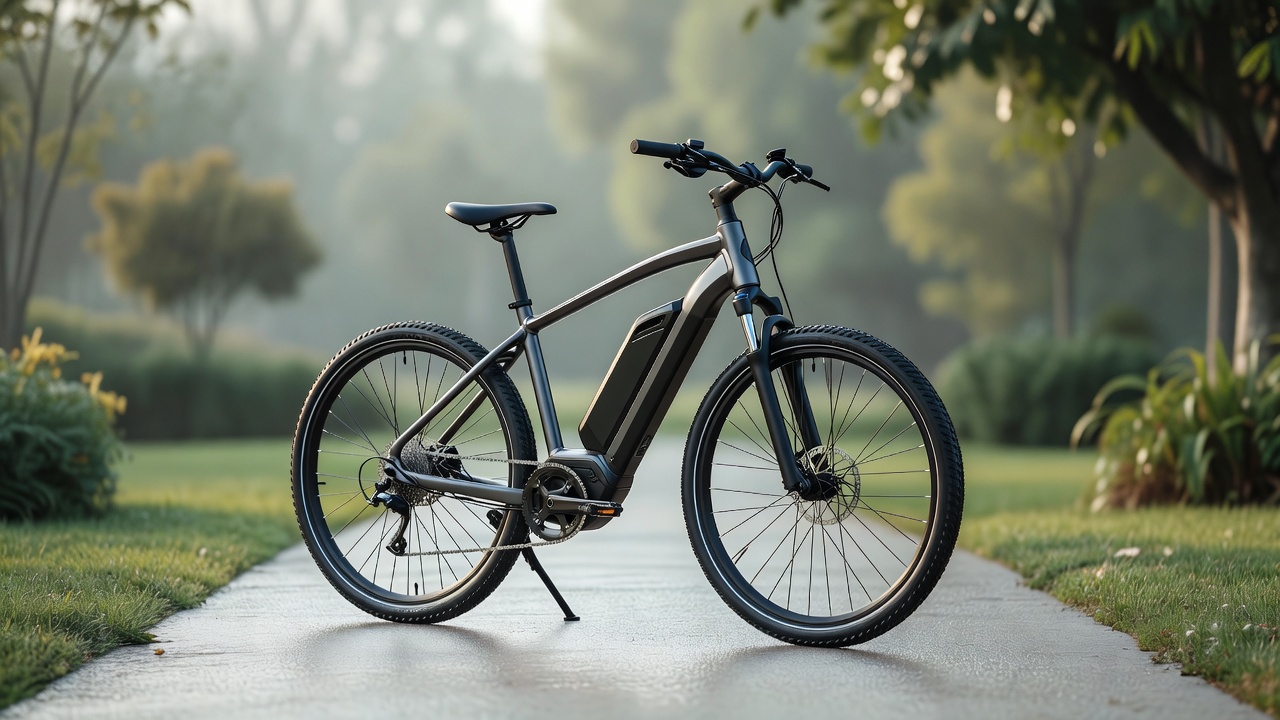
The battery is the most expensive single component on your e-bike — replacements commonly cost several hundred dollars or more. Lithium-ion cells gradually lose capacity with age and use, but good habits can significantly slow that decline. Here's how to protect your investment.
How E-Bike Batteries Age
Most e-bike batteries use lithium-ion cells, which degrade through charge cycles and calendar ageing. Manufacturers typically quote battery life in the range of 500 to 1,000 full charge cycles before capacity falls noticeably. A "cycle" equals 100% of capacity used, so two rides using 50% each count as one cycle. Heat, very high or very low states of charge and deep discharges accelerate ageing.
Everyday Charging Habits
- Top up whenever convenient. Lithium-ion batteries have no "memory effect", so partial charges are fine — and often better than repeatedly running to empty.
- Avoid regularly draining to 0%. Deep discharges stress cells. Recharge when you reach around 20–30% if practical.
- Use only the original or manufacturer-approved charger. Third-party chargers may not match voltage or safety features.
- Charge at room temperature. Bosch, for example, recommends charging within a moderate temperature range; charging a very cold battery can harm it.
- Unplug once charged if you won't ride soon. Modern management systems prevent overcharging, but avoiding long periods at 100% helps longevity.
Safe Charging Practices
E-bike battery fires are rare but serious, and they are most often linked to damaged, modified or non-certified batteries and chargers. Fire services in many cities recommend these precautions:
- Charge on a hard, non-flammable surface away from soft furnishings.
- Don't charge in escape routes such as hallways or by the front door if avoidable.
- Avoid charging unattended or overnight while you sleep.
- Install a working smoke alarm where you charge.
- Buy bikes and batteries from reputable brands that meet recognised safety standards (such as UL 2849 in the US or EN 15194 in Europe).
- Never use a battery that is swollen, cracked, leaking, unusually hot or smells odd.
Long-Term Storage
If you're putting your bike away for more than a few weeks:
- Store the battery at about 30–60% charge — most manufacturers recommend a partial charge rather than full or empty.
- Keep it somewhere cool and dry, ideally around 10–20 °C, out of direct sunlight.
- Check the charge every one to two months and top up to the storage level if needed.
- Remove the battery from the bike if possible.
Riding in Winter
Cold weather temporarily reduces range — you may lose 20–30% or more in freezing temperatures. This loss is not permanent. To minimise it:
- Store and charge the battery indoors, then fit it just before riding.
- Consider an insulated neoprene battery cover in very cold climates.
- Expect shorter range and plan charging accordingly.
Squeeze More Range From Every Charge
- Keep tyres properly inflated. Low pressure increases rolling resistance.
- Use lower assist modes on flat sections and save high modes for hills.
- Pedal at a steady cadence — mid-drive motors are most efficient at moderate cadence.
- Shift down before stopping so restarts require less energy.
- Reduce weight by carrying only what you need.
Model-specific tip: Bikes with removable batteries — like the Gazelle Ultimate C380, Brompton Electric and Aventon Pace 500.3 — make indoor charging and storage easy. For integrated batteries like the Turbo Vado SL 2, bring the whole bike indoors in cold weather.
Recycling an Old Battery
Never put lithium-ion batteries in household waste. Return old packs to your bike dealer, manufacturer take-back programme or local battery recycling point. In the US, programmes such as Call2Recycle accept e-bike batteries at participating locations; in the UK and EU, retailers and municipal recycling centres provide collection under battery regulations.